How Yeti Charges 7x for a Cooler (And What Founders Can Learn)
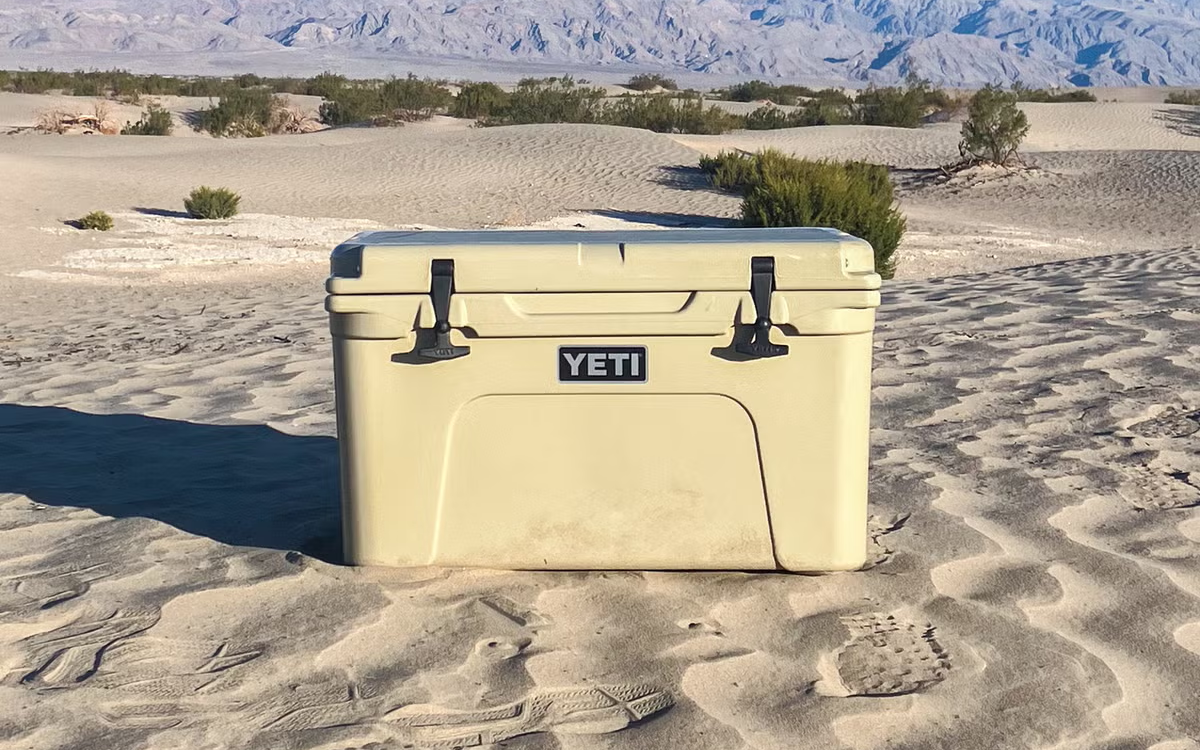
TL;DR: Yeti didn't build a better cooler. They built a brand that means "indestructible" in the minds of outdoor enthusiasts — and turned a commodity into a $1.9B lifestyle empire. The playbook: pick a tribe, own a psychological position, never discount, and let your most passionate users sell for you. Every startup can learn from this.
In 2006, two brothers in Texas looked at the cooler market and saw a gap.
Not a product gap — a positioning gap. The alternatives were $30 coolers sold at Target and Walmart. They broke easily. Every cooler on the market competed on the same thing: price. They were interchangeable. Disposable. A commodity.
Ryan and Roy Seiders didn't try to make a slightly better version of the same thing. They made a deliberate decision to build something that occupied a completely different psychological space. Unlike competitors selling $50 coolers, Yeti priced its products at a premium — $300 to $1,300 — signaling that its products were not for the casual consumer but for the serious outdoorsman.
Today, Yeti's annual revenue is $1.87 billion and the company has a market cap of $2.69 billion. All from a product that keeps things cold.
So what happened?
They picked a tribe before they picked a channel
Most startups launch and immediately ask: "How do we reach the most people?" Yeti asked a different question: "Who are the people whose opinion everyone else trusts?"
The brothers doubled down on outdoor trade shows and cold-called local specialty stores — hardware, tackle, and sports shops — with a new value proposition: instead of selling $30 coolers for a tiny margin, sell our premium coolers and retain a more significant cut.
They didn't go after mass market. They went after guides, fishermen, hunters — the people who use coolers harder than anyone else and whose recommendations carry weight with everyone around them. As former VP of Marketing Corey Maynard explained, Yeti targeted the people who spent the most on the best gear and let them tell their stories on Yeti's behalf.
This is the opposite of how most startups think about go-to-market. The instinct is to go broad. Yeti went narrow — and the narrowness is what created the signal.
They sold identity, not insulation
Here's where it gets interesting for founders. Yeti's product is good. Their coolers are durable. But that's not why people pay 7x.
People don't buy products. They buy what the product represents. Yeti coolers aren't just about keeping drinks cold — they represent conquering the wilderness.
Yeti's marketing never talked about specs. They didn't run comparison charts against Igloo. Instead, they told stories about the people who use their products — fishermen in Alaska, ranchers in Texas, surfers hauling gear down the coast. The cooler was the prop. The identity was the product.
This exclusivity helped create a tribal mentality — if you owned a Yeti, you were part of an elite group of adventurers.
This is brand positioning at its purest. Yeti didn't say "our cooler is better." They said "this is who you are when you carry one." The product became a badge.
They never discounted — ever
This is the part most founders can't bring themselves to do. No Black Friday deals, no clearance sales, no bundling tricks. Yeti has never run a discount.
The psychology behind this is powerful. When something is never on sale, it creates a perception of permanence and integrity. The price isn't a negotiation — it's a signal. It says: this product is worth exactly what we're asking, and that will never change.
Most startups panic when sales slow down and reach for the discount lever. Yeti understood that discounting doesn't just reduce margin — it destroys positioning. The moment you train customers to wait for a sale, you've told them your product isn't worth full price.
They turned customers into marketers
Yeti invested heavily in branded merchandise during its early days, including a branded hat and T-shirt with every cooler order. For an outdoors-oriented customer segment where dressing casually is the norm, those became free marketing.
But the real engine wasn't the merch. It was the community. Yeti turned early adopters into ambassadors — influential guides and fishermen who provided an extra layer of credibility and organic community engagement.
This created a flywheel: the most credible people in the outdoor space endorsed Yeti → their peers saw the endorsement → they bought Yeti → they became advocates themselves. No ad campaign can replicate the trust of a fishing guide telling you "this is the only cooler I use."
They expanded the brand, not just the product line
Once Yeti owned "indestructible outdoor gear" as a psychological position, they could expand into anything that fit that identity. Drinkware became their biggest product segment, generating over $1 billion in revenue. They moved into bags, apparel, and accessories — all carrying the same positioning.
This is the compound return on brand positioning. When you own a clear position in people's minds, every new product you launch inherits that meaning. You don't have to rebuild trust from zero each time. The brand does the selling.
Compare that to a company with no positioning. Every product launch is a cold start. Every campaign has to re-explain who you are. There's no accumulated equity to draw from.
What founders should take from this
Yeti's story isn't about coolers. It's about a set of strategic decisions that any startup can make:
Pick your tribe first. Don't try to reach everyone. Find the people whose opinion matters most in your category and build for them. The mass market follows the niche, not the other way around.
Sell the identity, not the feature. Your product's specs matter, but they're not why people pay a premium. The premium comes from what owning your product says about the buyer. This is the difference between having a logo and having pricing power — and why most startups confuse the two.
Hold your price. Discounting is a positioning decision, not a sales tactic. Every discount tells the market your product isn't worth what you're charging. If you've positioned well, the price is part of the brand.
Let your users carry the signal. The most powerful marketing isn't your ad — it's your customer telling someone else why they chose you. Build for that moment.
Own a position, then expand from it. Once you occupy a clear psychological space, you can extend into adjacent products and categories. Without that position, every expansion is a gamble. The key is knowing which archetype your brand actually is — and building from there.
Yeti took a commodity — a plastic box that keeps things cold — and turned it into a $1.9 billion identity brand. They didn't do it with a bigger ad budget or better distribution. They did it with a deliberate positioning decision made on day one.
That's the power of brand strategy. And it's available to every founder willing to make the same move.